The Power of Restraint
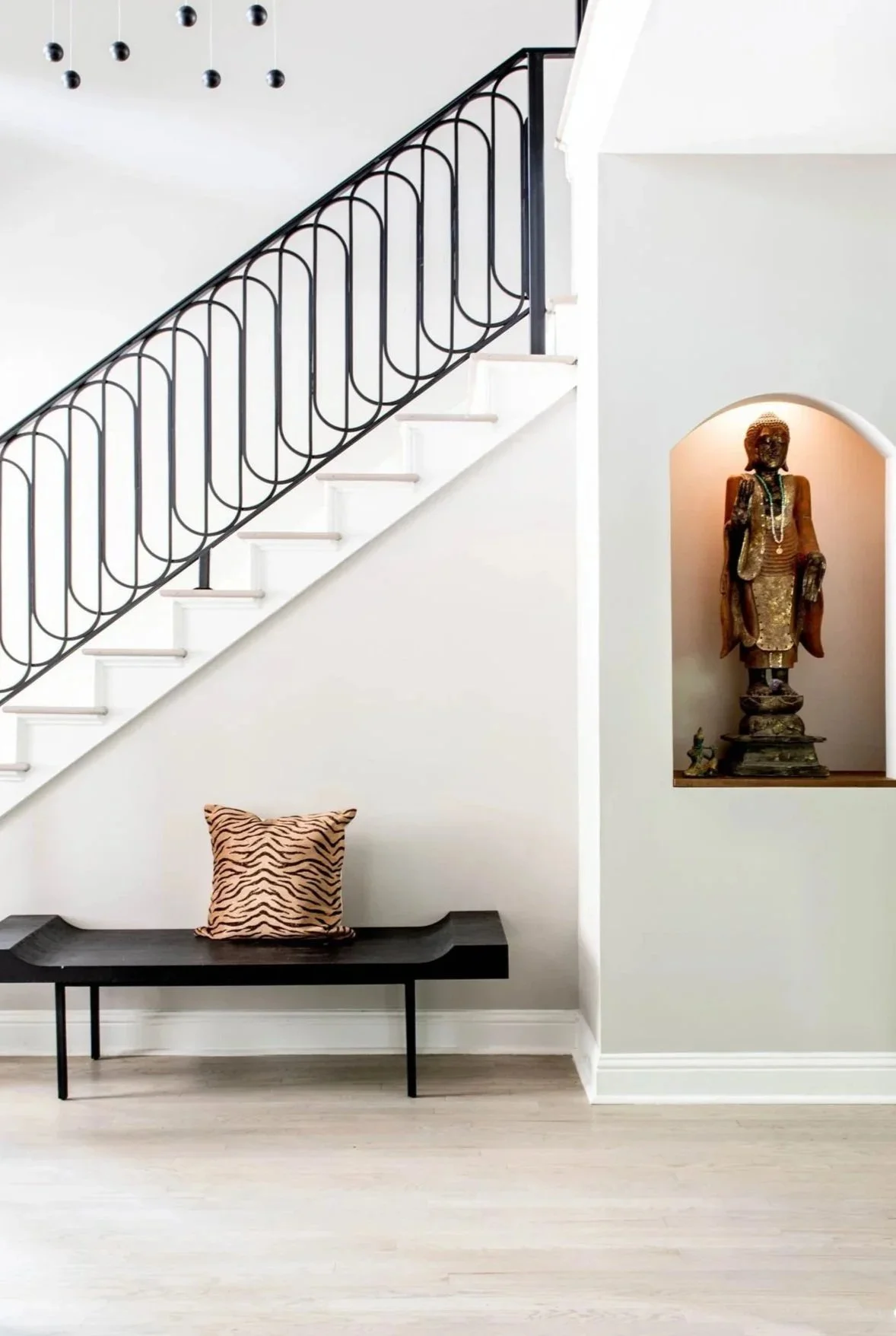
Some of the most beautiful interiors are defined by what isn’t there. Restraint has a way of bringing clarity to a room — not by stripping it back, but by allowing the right moments to shine.
I often think about restraint as knowing when to pause. When to let one piece lead. A strong work of art doesn’t need competition. A sculptural chair doesn’t need to be surrounded by accessories. When everything is given space to breathe, a room feels more intentional and far more compelling.
Negative space plays an important role here. Areas left open on purpose give the eye a place to rest and allow materials, proportions, and form to register more clearly. This is where a space begins to feel composed rather than styled.
Restraint also highlights quality. When fewer pieces are chosen, each one carries more weight. Materials feel richer. Details feel deliberate. The room feels calm without ever feeling empty. There’s confidence in editing — in knowing that not every surface needs to be filled.
The spaces that stay with you tend to strike this balance effortlessly. They feel layered but never busy. Expressive yet refined. Restraint, when applied thoughtfully, brings focus and depth to a home and allows its beauty to unfold naturally.
Sometimes, the most impactful design decision is simply knowing when to stop.