The Art of Layered Lighting


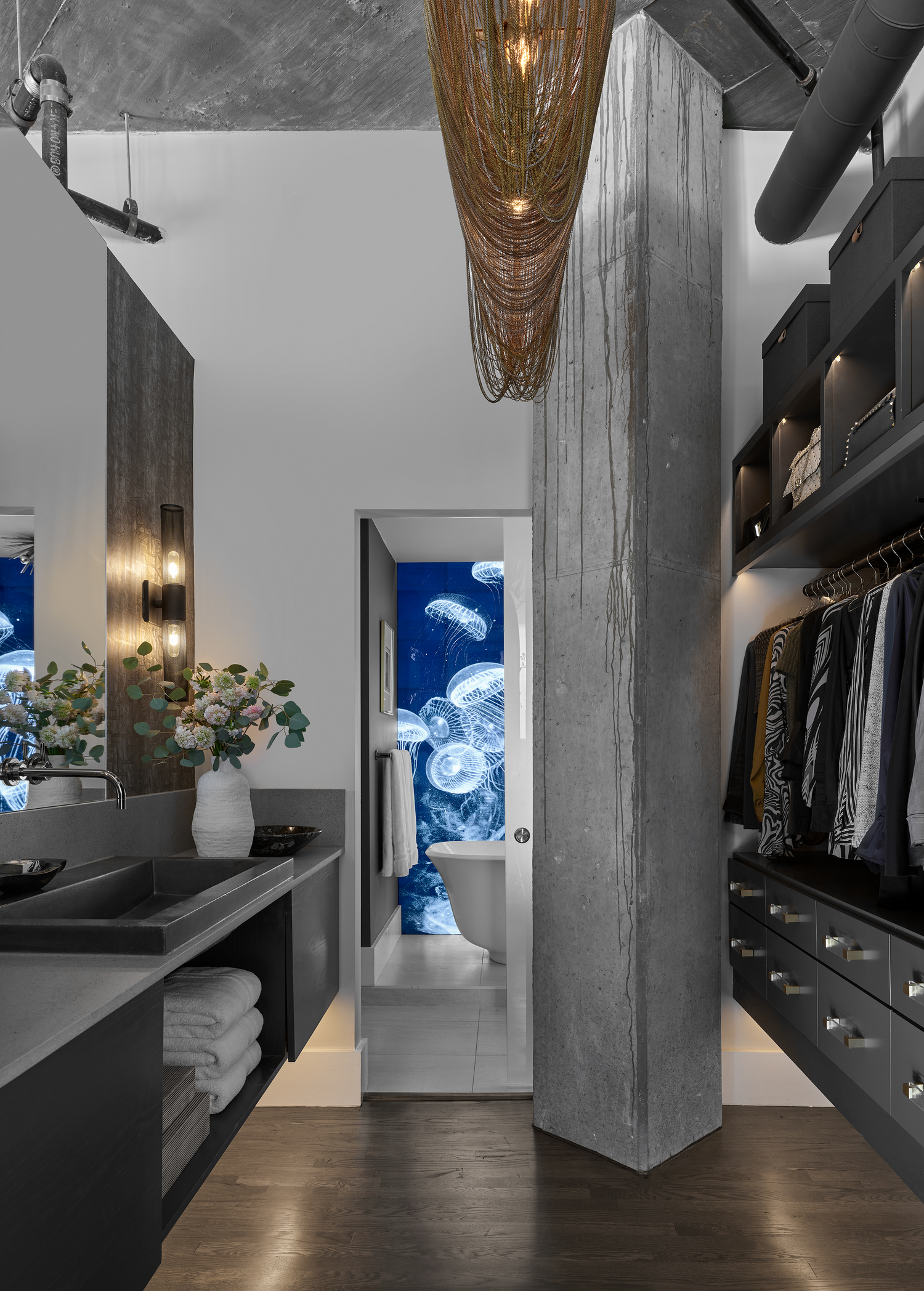
Lighting is one of the most defining elements in your home, yet it’s often the least understood. When it’s done well, you don’t notice it immediately. You feel it. A well-lit room feels calmer and more composed.
As a designer, trust me on this: If you’ve entered a room that feels soft and enveloping — it’s almost sense of always the result of layered lighting.
I never think of lighting as a single decision. It’s a dynamic dance between light sources. Overhead fixtures give structure and scale. They anchor a room visually and often serve as sculptural moments. But they’re only the beginning. A home lit solely from above rarely feels inviting.
The real atmosphere comes from what happens next. Sconces placed at eye level soften walls and highlight architectural details. Table lamps and floor lamps create pockets of light that invite you to settle in. These layers shift the energy of a space, allowing it to feel intimate rather than exposed, intentional rather than overly lit.
Lighting should evolve throughout the day just as sunlight does Morning light feels fresh. Evening light should feel warm… flattering. This is where dimmers become essential. They allow the mood to be adjusted effortlessly whether you’re entertaining, unwinding or simply lounging.
I’m also deeply aware of how light interacts with materials. Soft light on a textured wall reveals movement and depth. Warm lights bring out the richness of wood, stone and upholstery. Lamps placed near reflective surfaces create pools of subtle drama. Light illuminates and reveals.
Thoughtfully layers lighting feels balanced. There are no harsh contrasts or overly bright moments competing for attention. Everything feels considered and calm. Each light source has a role, and together they create a space that feels lived in and beautifully resolved.
Lighting creates moods. Good lighting influences how we move through a space. And great lighting, layered with intention,elevates the way you live.